
Minimum Car Insurance by State: Every State's Limits
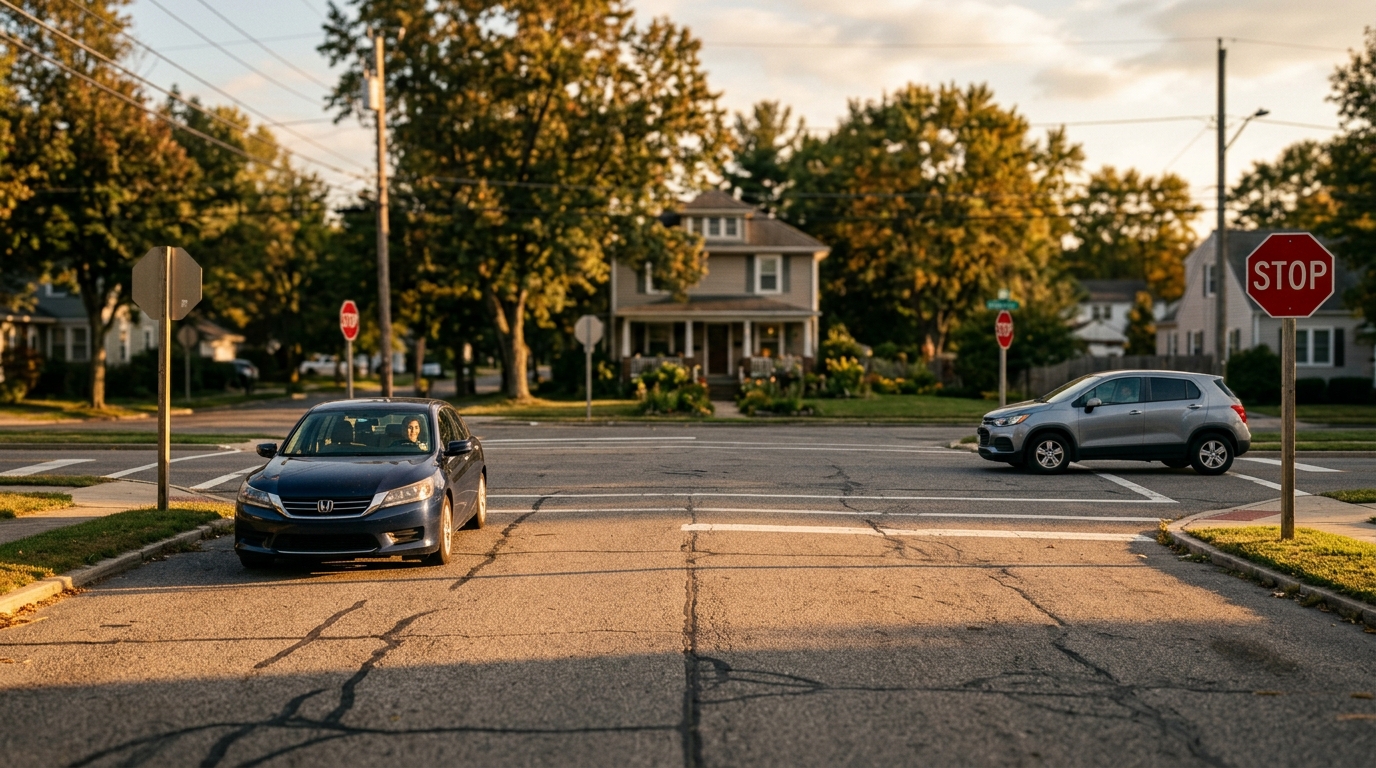
Minimum car insurance by state swings far wider than most drivers expect — Florida requires no bodily injury coverage at all, while Maine sets a $50,000 per-person floor. What follows lists every state's liability limits, flags which ones mandate PIP or uninsured motorist coverage, and explains why the legal minimum usually falls short of protecting a driver's finances after a real crash.
In this article
How These Requirements Are Written
Liability insurance is mandatory for drivers in every state but New Hampshire (and, until recently, Virginia). Limits appear as a trio of numbers — 25/50/25 means $25,000 in bodily injury coverage per person, $50,000 per accident, and $25,000 in property damage per accident. Those are ceilings on what the insurance company pays; anything past them comes straight out of the driver's own money.
Around a dozen states additionally require personal injury protection (PIP) or medical payments coverage, paying medical bills for the driver and passengers no matter who was at fault. Roughly twenty states require uninsured or underinsured motorist (UM/UIM) coverage, which steps in when the at-fault driver carries nothing or carries too little.
Two states have historically allowed drivers to go without standard insurance. New Hampshire still mandates no liability coverage, though anyone who causes a crash has to show they can pay for it. Virginia once let drivers pay an uninsured motorist fee instead of buying a policy, but that option ended in mid-2024 — every Virginia driver needs a real policy now, and the state lifted its minimums to 30/60/20 in January 2025.
The Full State-by-State Table
Below is every state's minimum liability requirement in the usual three-number shorthand. The figures track current statutes, including California's climb to 30/60/15 (effective January 2025) and Virginia's shift to 30/60/20 that same month. Amounts are expressed in thousands, so Alabama's 25/50/25 works out to $25,000 / $50,000 / $25,000.
| State | Liability (BI/BI/PD) | Other Mandates |
|---|---|---|
| Alabama | 25/50/25 | — |
| Alaska | 50/100/25 | — |
| Arizona | 25/50/15 | — |
| Arkansas | 25/50/25 | PIP $5k optional |
| California | 30/60/15 | New Jan 2025 |
| Colorado | 25/50/15 | — |
| Connecticut | 25/50/25 | UM mandatory |
| Delaware | 25/50/10 | PIP $15k |
| D.C. | 25/50/10 | UM mandatory |
| Florida | —/—/10 | PIP $10k; no BI |
| Georgia | 25/50/25 | — |
| Hawaii | 20/40/10 | PIP $10k |
| Idaho | 25/50/15 | — |
| Illinois | 25/50/20 | UM mandatory |
| Indiana | 25/50/25 | — |
| Iowa | 20/40/15 | — |
| Kansas | 25/50/25 | PIP $4.5k, UM mandatory |
| Kentucky | 25/50/25 | PIP $10k, opt-out allowed |
| Louisiana | 15/30/25 | — |
| Maine | 50/100/25 | MedPay $2k, UM mandatory |
| Maryland | 30/60/15 | PIP $2.5k, UM mandatory |
| Massachusetts | 20/40/5 | PIP $8k, UM mandatory |
| Michigan | 50/100/10 | PIP, driver picks level |
| Minnesota | 30/60/10 | PIP $40k, UM mandatory |
| Mississippi | 25/50/25 | — |
| Missouri | 25/50/25 | UM mandatory |
| Montana | 25/50/20 | — |
| Nebraska | 25/50/25 | UM mandatory |
| Nevada | 25/50/20 | — |
| New Hampshire | 25/50/25 (if carried) | Not required |
| New Jersey | 15/30/5 | PIP $15k; basic policy option |
| New Mexico | 25/50/10 | — |
| New York | 25/50/10 | PIP $50k, UM mandatory |
| North Carolina | 30/60/25 | UM mandatory |
| North Dakota | 25/50/25 | PIP $30k, UM mandatory |
| Ohio | 25/50/25 | — |
| Oklahoma | 25/50/25 | — |
| Oregon | 25/50/20 | PIP $15k, UM mandatory |
| Pennsylvania | 15/30/5 | PIP $5k |
| Rhode Island | 25/50/25 | — |
| South Carolina | 25/50/25 | UM mandatory |
| South Dakota | 25/50/25 | UM mandatory |
| Tennessee | 25/50/25 | — |
| Texas | 30/60/25 | — |
| Utah | 25/65/15 | PIP $3k |
| Vermont | 25/50/10 | UM mandatory |
| Virginia | 30/60/20 | UM mandatory (Jan 2025) |
| Washington | 25/50/10 | — |
| West Virginia | 25/50/25 | UM mandatory |
| Wisconsin | 25/50/10 | UM mandatory |
| Wyoming | 25/50/20 | — |
Which States Mandate Personal Injury Protection
Personal injury protection pays medical bills, lost income, and sometimes funeral expenses for the driver and passengers regardless of who caused the wreck. About a dozen states demand it outright, and several more include it by default with a written opt-out available.
States where every policy has to carry PIP:
- Delaware — $15,000 per person, $30,000 per accident
- Florida — $10,000 minimum
- Hawaii — $10,000 minimum
- Kansas — $4,500 medical, plus wage-loss benefits
- Maryland — $2,500 minimum
- Massachusetts — $8,000 minimum
- Michigan — driver picks the level, from $50,000 up to unlimited
- Minnesota — $40,000 total ($20k medical, $20k non-medical)
- New Jersey — $15,000 standard
- New York — $50,000 basic
- North Dakota — $30,000
- Oregon — $15,000
- Utah — $3,000
Kentucky and Pennsylvania build PIP in by default but permit a formal opt-out. Michigan is the outlier — until 2019 the state required unlimited lifetime medical coverage, and drivers can still select that tier if they want it.
Ready to compare car insurance rates?
See quotes from top insurers side by side. Free, about two minutes, no obligation.
Get My Quotes →Which States Mandate Uninsured Motorist Coverage
Uninsured motorist (UM) coverage pays for the policyholder's injuries — property damage too, in some states — when the at-fault driver has no policy or takes off. Underinsured motorist (UIM) coverage takes over when the at-fault driver does have a policy but its limits fall short. Both count, because something like one in eight US drivers goes uninsured nationally, and the figure passes 20% in states such as Mississippi, Michigan, and Tennessee.
States (and D.C.) requiring UM on every auto policy:
- Connecticut, Illinois, Kansas, Maine, Maryland, Massachusetts, Minnesota, Missouri, Nebraska
- New Hampshire (only where the driver carries auto insurance at all)
- New York, North Carolina, North Dakota, Oregon
- South Carolina, South Dakota, Vermont, Virginia, West Virginia, Wisconsin
- District of Columbia
Most of them peg UM limits to the state's bodily injury liability minimums — a 25/50 liability floor normally produces a 25/50 UM floor. Roughly half also require UIM, and a few, North Carolina and Virginia included, add mandatory uninsured motorist property damage coverage alongside the bodily injury piece.
Why the Legal Floor Leaves You Exposed
One overnight hospital stay for a moderately injured passenger can hit $30,000 to $80,000 before anybody operates, and replacing a totaled late-model pickup or SUV regularly costs $45,000 to $70,000. State minimums were largely drafted decades back and have not tracked medical inflation, vehicle replacement costs, or what juries award.
Florida makes the point. No bodily injury liability is required at all, and a $10,000 property damage ceiling will not come close to a modern crossover. A Florida driver carrying the legal minimum who rear-ends a $60,000 vehicle personally owes the remaining $50,000 — plus whatever the injury claims come to. California's former 15/30/5 limits, in place until January 2025, hardly covered one emergency room visit; even the replacement 30/60/15 floor is thin once several cars are involved.
Personal bankruptcies live in the space between the legal floor and a realistic worst case. When a driver's coverage runs dry, injured parties can go after savings, garnish wages, or attach liens to property. Personal injury attorneys frequently will not sue a policy under 50/100 because there is nothing worth collecting, yet the driver who carries nothing beyond the minimum car insurance by state statute is exactly who a larger claim comes after personally.
Picking Limits That Actually Protect You
Instead of defaulting to the state floor, most drivers ought to select liability limits matched to what a bad crash could genuinely cost them. One workable approach:
- Start at 100/300/100 liability. At major carriers it usually adds $15 to $40 per month over state minimums and covers the overwhelming majority of realistic claims without inviting a lawsuit.
- Match UM/UIM to the liability limits. Uninsured motorist coverage costs little and guards against the roughly 13% of US drivers carrying no insurance whatsoever.
- Add collision and comprehensive when the car is worth more than about $4,000 or is financed. Lenders insist on it; owners of paid-off cars can drop it once yearly premiums pass roughly 10% of book value.
- Consider a $1 million umbrella policy if net worth or income runs above average. Umbrellas generally cost $150 to $400 per year and normally require the auto policy underneath to sit at 250/500 or higher already.
- Shop rates every 12 to 18 months. Carriers reprice risk constantly, and which company is cheapest for a given driver shifts as credit, mileage, and the vehicles in the driveway change.
Frequently Asked Questions
Which state demands the most coverage?
Maine and Alaska both sit at 50/100/25 liability, tied for the highest per-person bodily injury minimum anywhere in the country. Maine also requires uninsured motorist coverage plus $2,000 in medical payments coverage, which arguably makes its overall package the strictest. Michigan matches those bodily injury limits and stacks a mandatory PIP requirement on top of them.
And which state asks the least of drivers?
Florida carries the lowest bodily injury liability requirement — none at all — though it does require $10,000 in personal injury protection and $10,000 in property damage coverage. New Hampshire technically requires no insurance whatsoever, but drivers still have to prove financial responsibility after causing an accident. The basic policy options in Pennsylvania and New Jersey come next at 15/30/5.
Does meeting the state minimum count as full coverage?
No. Full coverage generally means liability together with collision and comprehensive, while state minimums only compel liability (and occasionally PIP or uninsured motorist coverage). A car insured at the minimum has zero protection for its own damage from a crash, theft, hail, or fire — that comes from collision and comprehensive, which lenders always require on financed vehicles.
What limits do most drivers end up buying?
Industry patterns point to about a third of insured drivers holding 100/300/100 or better, another third sticking with state-minimum limits, and the remainder somewhere in the middle. Drivers with real assets — a house, retirement accounts, meaningful savings — usually go higher, since a lawsuit could reach further. The most common state-minimum holders are younger drivers and people with older paid-off cars.
Is my home state's minimum legal when I drive out of state?
Usually, yes. Auto policies adjust automatically to whichever is higher, the home state's minimums or the visiting state's, once a driver crosses the line, so a policy that is legal in one state is generally legal in the next. That only satisfies the legal requirement, though — it does not lift the actual coverage limits, so a crash in a higher-minimum state can still leave real out-of-pocket exposure.
Ready to compare car insurance rates?
See quotes from top insurers side by side. Free, about two minutes, no obligation.
Get My Quotes →