
Driving Without Insurance: Penalties, Costs, and Fallout
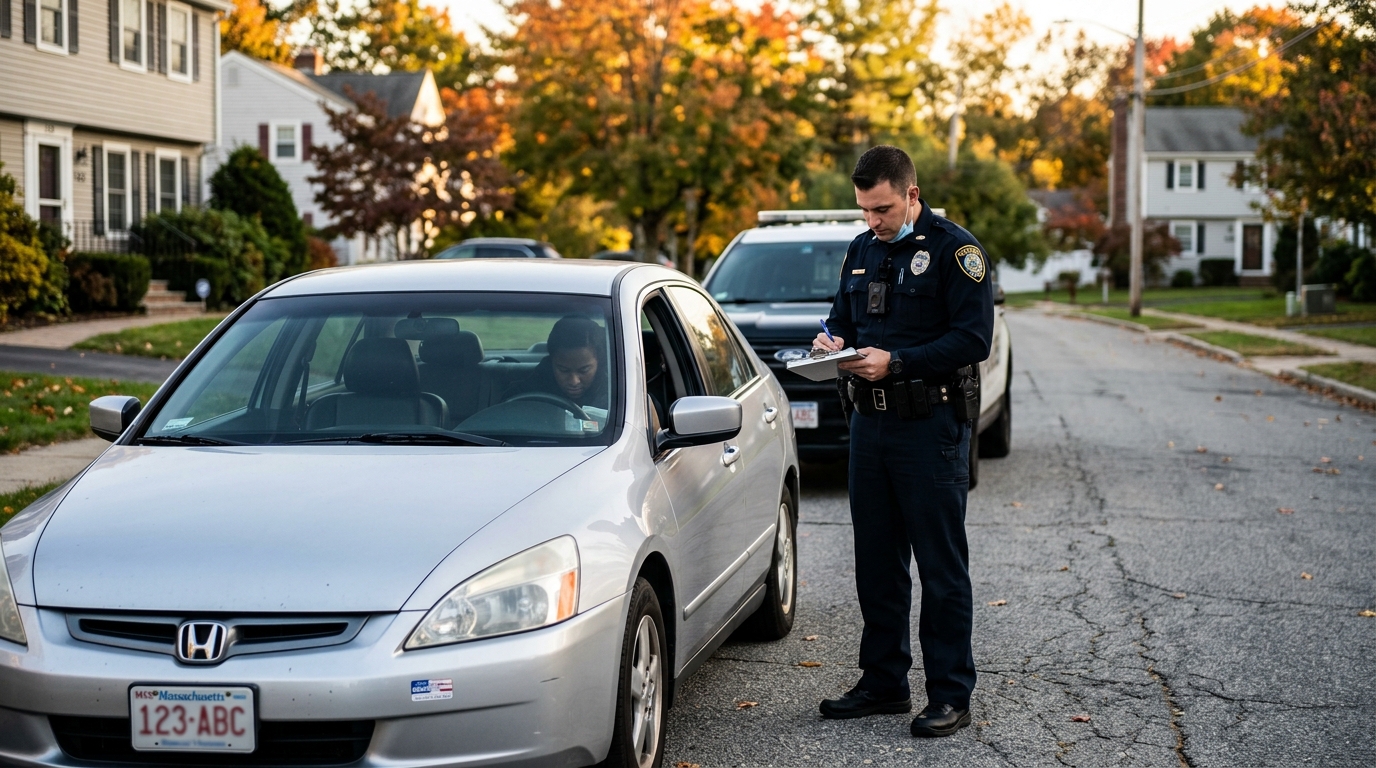
Driving without insurance across the United States is more than a filing oversight — it is a legal and financial bet that can drain thousands of dollars even in a year when nothing goes wrong. New Hampshire is the only state that does not require minimum liability coverage from its drivers, and the punishment for skipping it runs from a small fine to years of financial wreckage. This guide walks through what really happens when a driver gets caught, what changes when that driver causes a crash, and how a $200 monthly premium turns into a $50,000 problem in an instant.
In this article
First-Offense Fines Swing Hard From State to State
What a first uninsured driving ticket costs depends enormously on where the officer pulls you over. A first offense lands somewhere between $100 and $500 across most of the country, though a handful of jurisdictions reach far past that band. California opens at roughly $100 to $200 before court fees get added. Florida writes a $150 fine and layers on a reinstatement charge that can rise to $500. New York's first-offense penalty tops out at $1,500 — and Michigan for years tacked on driver responsibility fees near $500 per year across two consecutive years.
Penalties climb fast for anyone cited more than once. A second or third ticket inside a few years often doubles or triples the base fine, opens the door to jail in states like Michigan and Georgia where a sentence can run as long as a year, and brings mandatory community service along with it. Court costs and administrative charges usually add another $100 to $300 beyond the fine itself, and few courts offer a payment plan that makes the balance feel workable.
Suspended Licenses and Frozen Registrations
The citation is only the opening move. Most states pull both the driver's license and the vehicle registration once an uninsured driving charge lands. For a first offense, suspensions typically run 30 days to 12 months, which varies by state and by whether a crash was part of the picture. Reinstatement means paying a fee — generally $50 to $500 — and putting proof of an active new policy on file with the state.
Several states handle all of this without anyone lifting a finger. California's DMV freezes a vehicle's registration the moment a carrier reports the lapse. Florida makes drivers keep an SR-22 or FR-44 form on file for three years following any uninsured incident. Nevada bills $250 for a first lapse and impounds the car on a fourth violation. A suspended registration also makes the license plate legally worthless, so a second stop during that suspension normally piles on an entirely new set of charges.
The Crash Scenario That Blows Up Your Finances
The worst of it arrives after a collision. Picture a routine case: someone with no policy blows a red light and strikes a mid-size sedan. Medical treatment for the other driver runs $18,000. The car is a total loss at $22,000. Time away from work during recovery costs another $6,000. In states that permit them, pain and suffering claims tack on $10,000 or more.
With no policy behind them, the at-fault driver owes all of it personally — a $56,000 judgment attached to their own name. Courts can garnish paychecks, seize tax refunds, and attach liens to any house or car they hold. Interest runs on these judgments in most states, frequently 5% to 10% a year, so the balance keeps swelling for as long as it sits unpaid. Set that beside the roughly $2,400 to $3,600 a year a minimum liability policy costs in most states and the comparison stops being close.
Ready to compare car insurance rates?
See quotes from top insurers side by side. Free, about two minutes, no obligation.
Get My Quotes →The Way One Citation Keeps Compounding
The bill does not end at the fine window. Here is how one uninsured driving ticket usually unfolds across the next two to five years:
- Base fine plus court costs: anywhere from $150 to $1,500 based on where you live.
- Fee to reinstate the license: $50 to $500.
- SR-22 filing charge: $15 to $50, with a renewal fee for every year the form stays required — normally three years.
- Steeper premiums afterward: carrying an SR-22 tag generally doubles or triples what you pay for auto coverage for a minimum of three years. Someone billed $1,800 a year beforehand might face $4,000 to $5,500 once it applies.
- Impound charges: a few states tow the vehicle on the spot, and storage runs $30 to $75 a day, which can pass $1,000 when the release paperwork stalls.
- Legal fees: commonly $2,500 at the low end when a crash or an injury claim is attached.
Dodging Enforcement Barely Works Anymore
Over the past decade, catching uninsured drivers has turned into an automated process. Electronic verification systems now run in most states, checking with carriers in real time whenever a car gets registered or a stop is made. Between Florida's FLHSMV verification, Texas TexasSure, and California's electronic reporting, an officer knows in seconds whether a policy is live before ever reaching the driver's window.
Plate readers mounted on cruisers and highway cameras flag cars whose coverage has dropped, too. Plenty of states mail a notice the moment their system spots a lapse, no traffic stop required, and ignoring it for 15 to 45 days sets off an automatic suspension. Quietly running uninsured until something bad happens is a plan that has stopped working across most of the country.
Life After an SR-22 Filing
Once coverage lapses or an uninsured driving ticket lands, most states demand an SR-22 — paperwork your insurer sends the state verifying that minimum liability is in force. In day-to-day terms, here is what that involves:
- It normally stays in place for three years, and some states stretch that to five when the offense is severe.
- Rates generally rise 40% to 90% for as long as the SR-22 is on file.
- Letting coverage slip at any point during that window resets the clock and may bring a fresh suspension.
- Plenty of insurers refuse to write SR-22 policies, so choices tend to narrow to non-standard carriers charging more.
- Florida and Virginia use the FR-44 for major offenses such as DUI, and it calls for liability limits well above the state floor — frequently $100,000/$300,000.
Steps to Take When a Lapse Was Unintentional
Gaps in coverage are far more common than drivers assume: a payment that slipped, a replacement card that never made it into auto-pay, a policy cancelled without any obvious warning. Catching one before a ticket or a crash gives you room to contain it:
- Call your former insurer right away and ask whether reinstatement is possible. A lot of carriers will reinstate inside 10 to 30 days and never log it as a true lapse.
- When reinstatement is off the table, buy a new policy that same day and insist the coverage start immediately rather than at the next sunrise.
- Ask the old carrier for a letter of prior insurance. Without documentation of continuous coverage, even a brief gap can lift premiums 15% to 40% for six months or longer.
- Should the car have been driven during the gap, leave it in the driveway until a new policy is bound and confirmed in writing.
- Find out whether the state DMV has already recorded the gap. Certain states auto-suspend registration inside 30 days of a reported cancellation, even when the driver picks up new coverage days later.
Frequently Asked Questions
What does a traffic stop cost if you have no insurance?
A first offense usually draws a fine of $100 to $1,500 based on your state, with license reinstatement adding $50 to $500 beyond that. Court and administrative costs generally pile on $100 to $300 more. Get cited again and those figures can double or triple, and Michigan and Georgia both permit jail sentences reaching a year for repeat violations.
Is jail time really possible for driving uninsured?
A first offense almost never leads to jail, though Michigan, Georgia, and Idaho all allow sentences as long as one year. Fines and a suspended license are the usual outcome for a first-time offender. The odds shift sharply once there are repeat offenses, or when the missing coverage sits alongside a DUI or reckless driving charge.
What if you are uninsured in a crash someone else caused?
The other driver's policy still pays for the damage and the injuries, but plenty of states apply "no pay, no play" rules that block an uninsured motorist from recovering non-economic damages such as pain and suffering. California, Louisiana, and New Jersey each use a version of it. The uninsured driver can still be fined and suspended simply for having no policy, regardless of who caused the wreck.
How long does an uninsured driving mark follow your record?
A conviction for driving uninsured normally sits on a driving record three to five years, and a few states hold it longer. Insurers most often look back three years when they price a policy, and the SR-22 obligation that follows generally runs three years from the date of the offense. Where an accident or an injury is involved, it can shape insurance eligibility for as long as seven years.
Does paying the fine really beat buying a policy?
Look only at a single first offense with no crash and the arithmetic can seem to favor the ticket — $300 against $2,000 a year in premiums. That view leaves out the suspension, the SR-22 that pushes rates 40% to 90% higher across three years, plus roughly $50,000+ of personal liability waiting if you hit someone. Stretch the window to three or five years and going uninsured nearly always costs more than the minimum policy would have.
Ready to compare car insurance rates?
See quotes from top insurers side by side. Free, about two minutes, no obligation.
Get My Quotes →